

Tax havens are countries or jurisdictions that offer minimal or zero tax liability to foreign individuals and businesses. These offshore financial centers attract trillions in wealth through favorable tax laws, banking secrecy, and specialized financial vehicles. Countries lose US$492 billion annually to multinational corporations and wealthy individuals using tax havens.
Tax havens provide legal tax optimization when properly disclosed. However, hiding assets in tax havens constitutes illegal tax evasion.
What is a Tax Haven?
A country or jurisdiction offering minimal or no tax liability to foreign individuals and businesses
Tax haven countries create deliberate policies to attract foreign capital. They offer minimal tax rates specifically for non-residents.
These jurisdictions generate revenue through administrative and registration fees rather than taxes. Small countries use offshore financial centers as economic development strategies.
Characterized by low or zero taxes, minimal reporting requirements, lack of transparency, and specialized financial vehicles
Tax havens share four defining characteristics as outlined by the OECD.
- First, they impose little to no tax on foreign income.
- Second, they maintain strict banking secrecy laws.
- Third, they lack effective exchange of information with foreign entities.
- Fourth, they offer specialized vehicles like offshore trusts and foundations.
These structures enable complex tax planning strategies.
Often described as "secrecy jurisdictions" that help individuals shield wealth from tax authorities
Financial systems in tax havens prioritize confidentiality. They resist sharing information with foreign tax authorities.
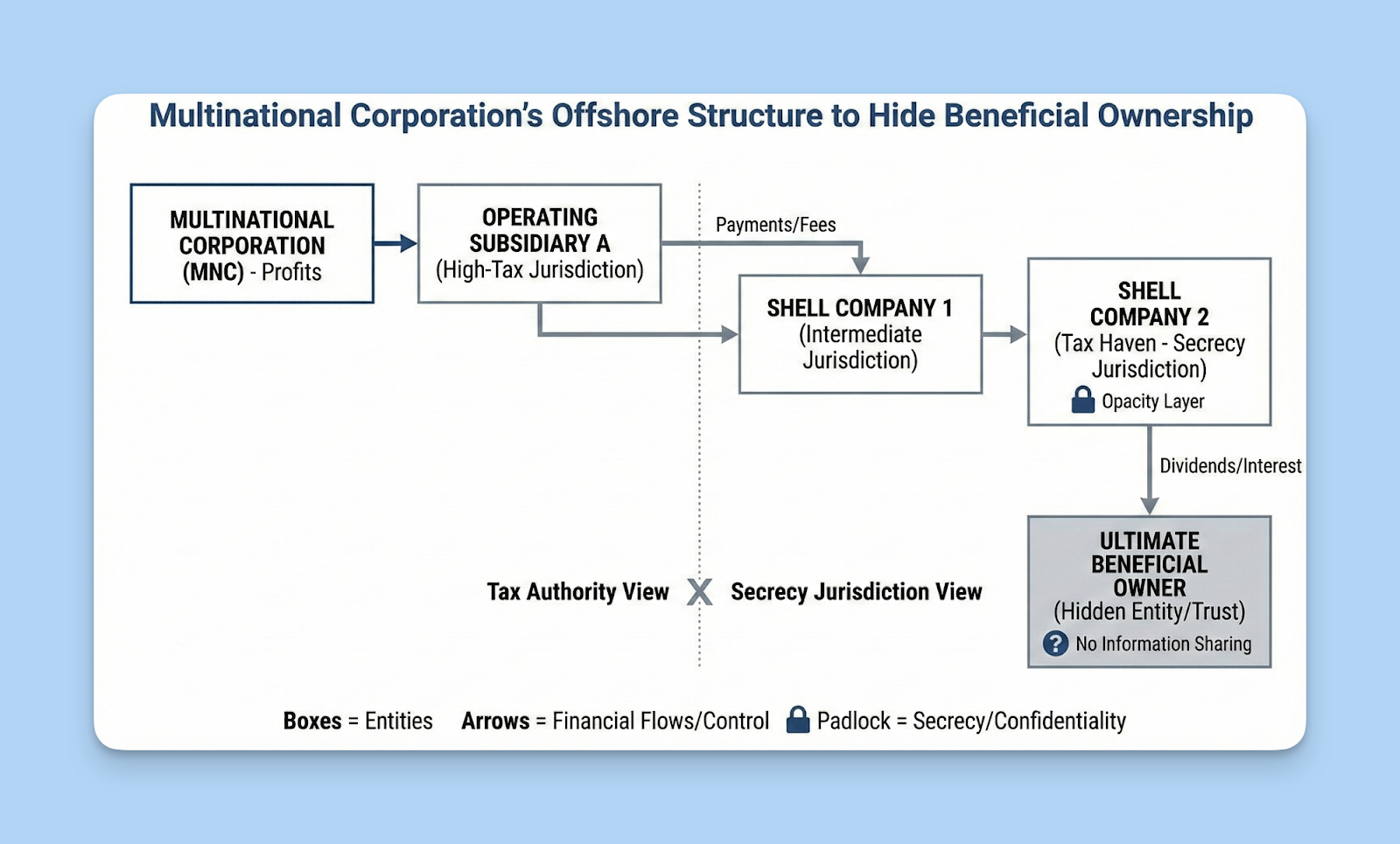
Shell companies hide beneficial ownership through layered structures. Multinational corporations exploit these opacity features extensively.
Legal to use for legitimate tax optimization; illegal when used to hide assets or evade taxes
Using offshore tax strategies remains legal with proper disclosure. International wealth management requires careful compliance.
The distinction depends entirely on transparency. Foreign investors must report all offshore accounts to their home country (e.g., via FBAR or FATCA in the US).
History of Tax Havens
Modern tax havens emerged after World War I, with Switzerland, Liechtenstein, and Luxembourg among the first. Switzerland pioneered banking secrecy in the 1934 Banking Act. European nations created favorable regimes to rebuild after the war. These early havens established enduring patterns. Switzerland became the world's premier offshore banking center since the 1920s.
The 1929 British court case Egyptian Delta Land and Investment Co. Ltd. v. Todd established the "non-resident corporation" concept. This landmark ruling separated legal residence from economic activity. Companies could register in one jurisdiction while operating elsewhere. The decision enabled modern corporate tax planning as businesses could choose favorable jurisdictions for incorporation.
This ruling spread throughout the British Empire, creating numerous tax haven jurisdictions. Former British colonies adopted similar legal frameworks. The Commonwealth became interconnected offshore financial centers. The "UK spider's web" is responsible for 37.4 per cent of all tax losses suffered globally. This network costs countries over $160 billion annually.
Post-World War II currency controls led to the Eurodollar market and rise of offshore financial centers. Currency restrictions created demand for offshore banking. Dollars held outside America escaped domestic regulations. London emerged as the Eurodollar trading center. This market connected onshore economies with offshore capital.
The late 1960s saw new tax havens emerge to serve developing and emerging markets. Caribbean islands developed sophisticated financial sectors. Asian centers like Singapore emerged for regional wealth. These jurisdictions competed for international business. They offered increasingly favorable terms to attract capital.
Top Tax Haven Jurisdictions
Caribbean Offshore Centers
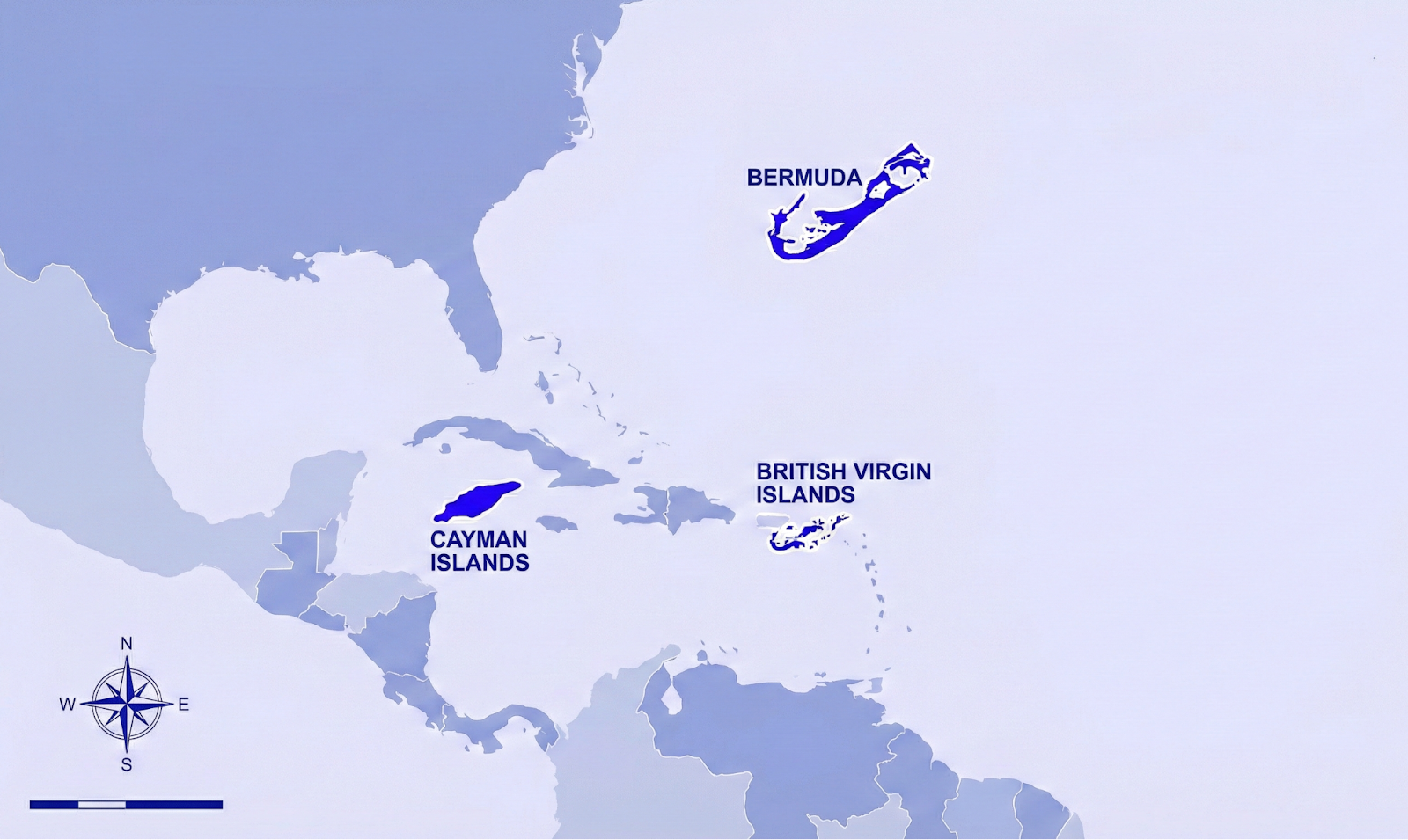
The Caribbean hosts the world's most aggressive corporate tax haven countries. British Virgin Islands, Cayman Islands, and Bermuda rank as top three in the Corporate Tax Haven Index.
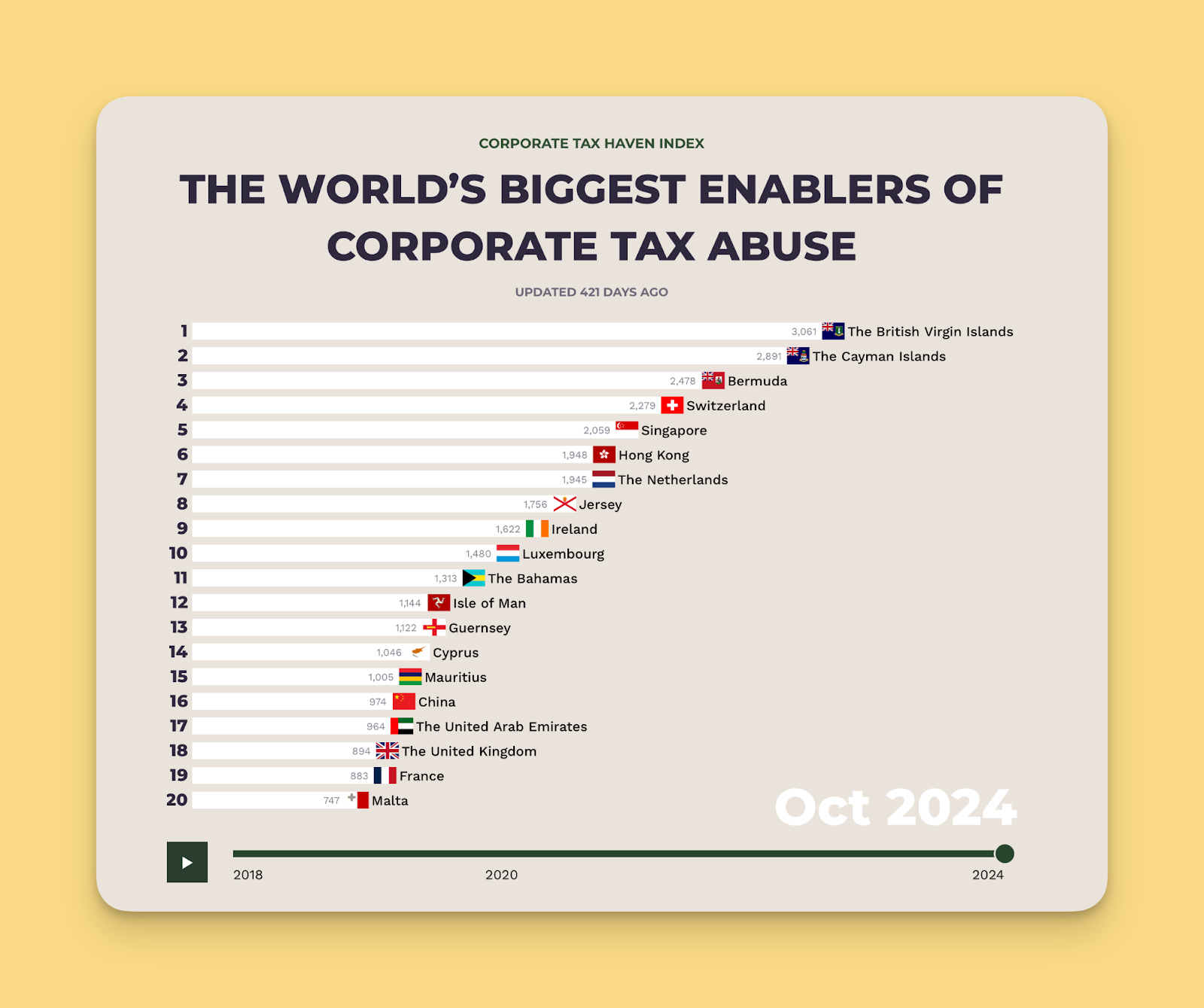
These jurisdictions enable massive profit shifting by multinational corporations. The Bahamas offers zero taxes on all foreign income.
The Cayman Islands holds banking assets equal to one-fifteenth of the world's total. At year-end 2020, there were 24,591 funds registered with the Cayman Islands Monetary Authority.
Asset Protection Havens in the Pacific
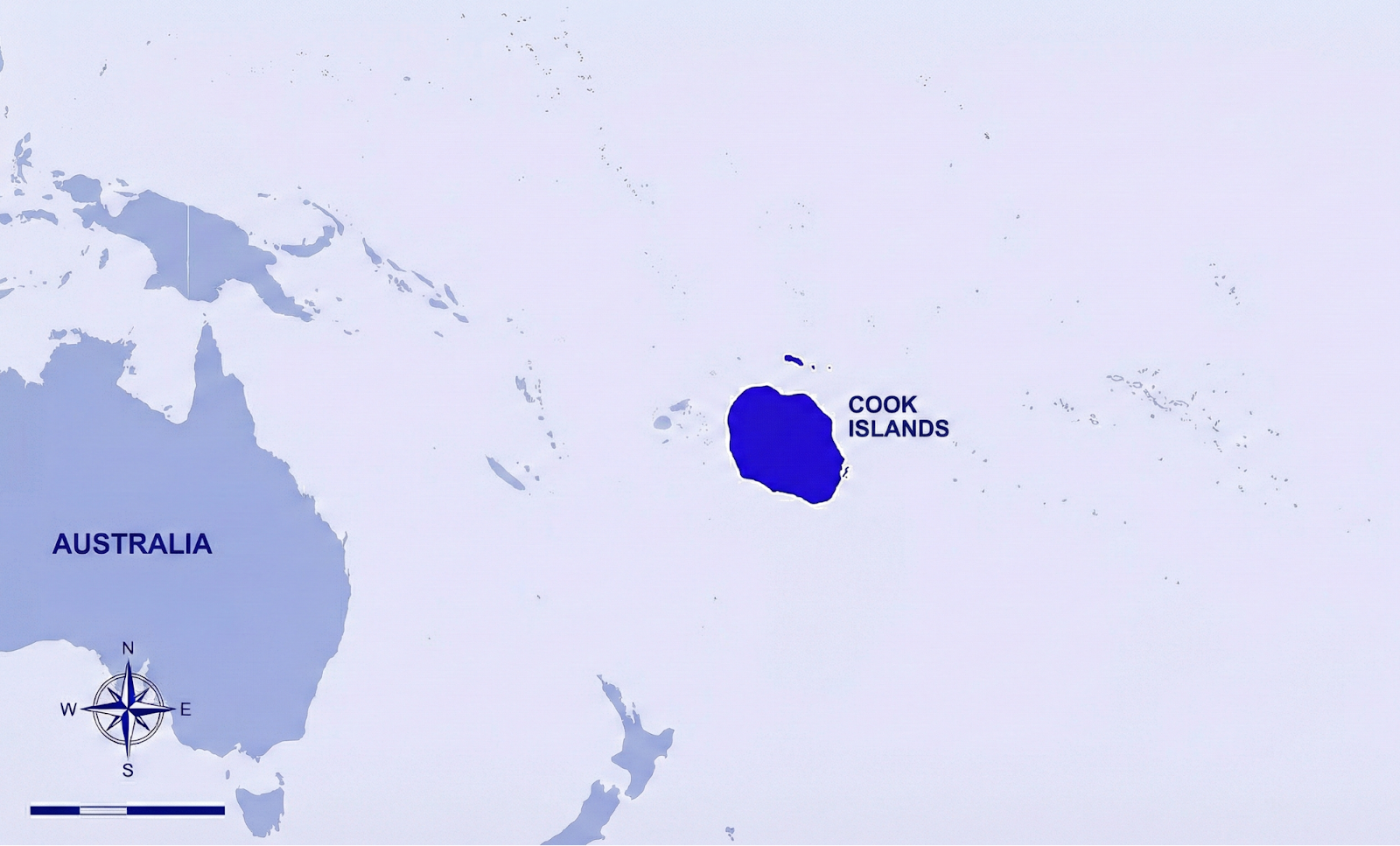
Bank accounts in Caribbean havens provide confidentiality, but Cook Islands trusts offer unparalleled asset protection offshore.
Located in the South Pacific, the Cook Islands maintained sophisticated financial systems despite a small population. They generally do not recognize foreign court judgments.
Traditional European Tax Havens
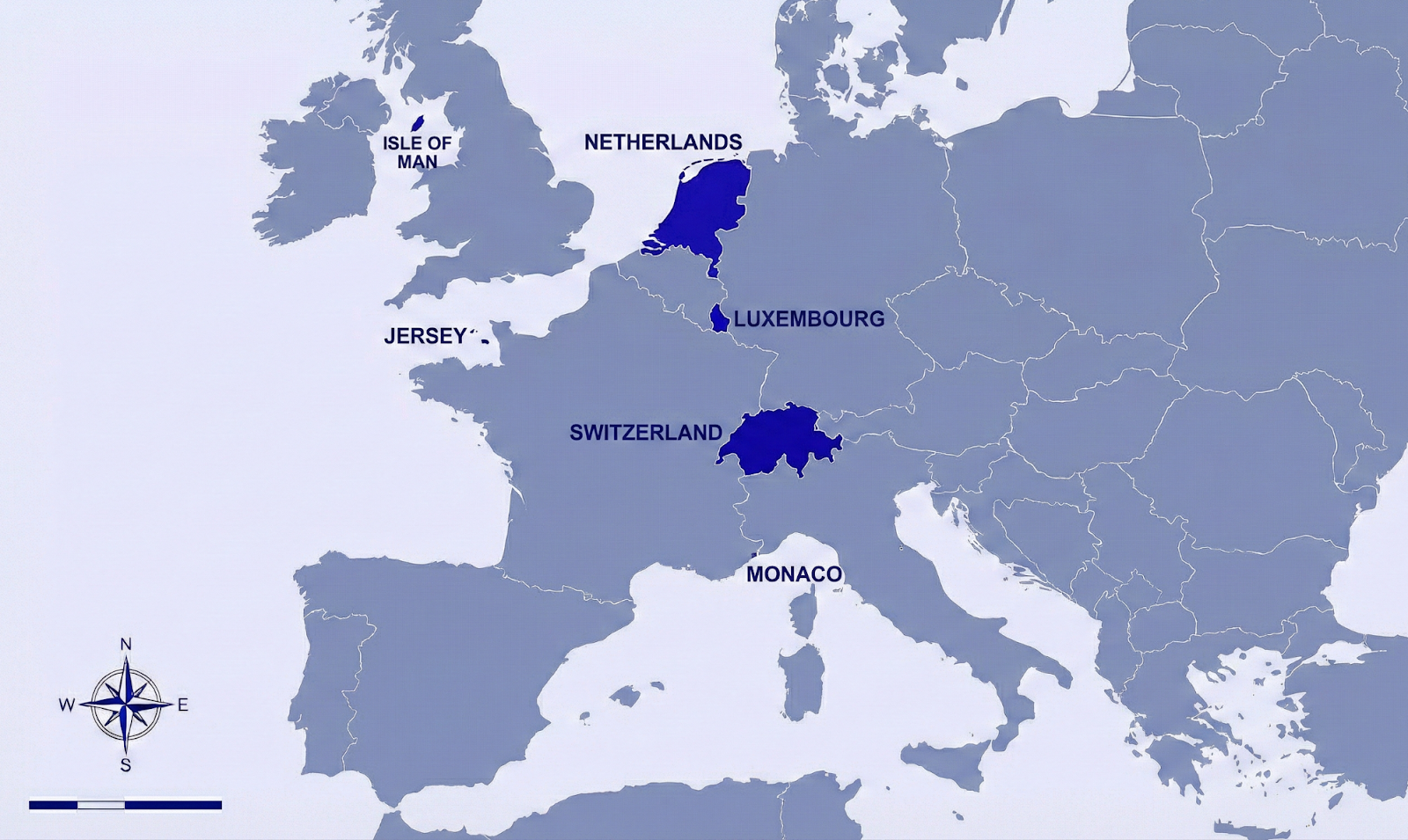
Switzerland ranks second in the Financial Secrecy Index for private wealth. Swiss banks manage trillions in offshore assets.
Luxembourg and the Netherlands serve as conduits for profit shifting. Monaco provides zero personal income tax for residents.
Jersey and Isle of Man offer sophisticated trust services. These jurisdictions maintain separate legal systems from the UK.
Asian Financial Centers

Singapore combines low taxes with world-class infrastructure. Singapore's financial sectors manage over $3 trillion in assets under management. The country offers extensive double taxation agreements with 90+ countries.
Hong Kong maintains a territorial tax system benefiting foreign investors. Hong Kong serves as an even bigger "sink" OFC (offshore financial centers) than previously recognized. The territory processes massive capital flows from mainland China.
Dubai offers zero personal income tax with luxury living. The UAE provides golden visa programs for long term residence.
Malaysia's Labuan offers attractive offshore tax strategies for Asian businesses. Thailand provides territorial taxation for foreign investors managing regional operations.
These centers attract wealth from emerging markets globally. They provide gateway access to Asian investments and real estate opportunities.
United States as Tax Haven
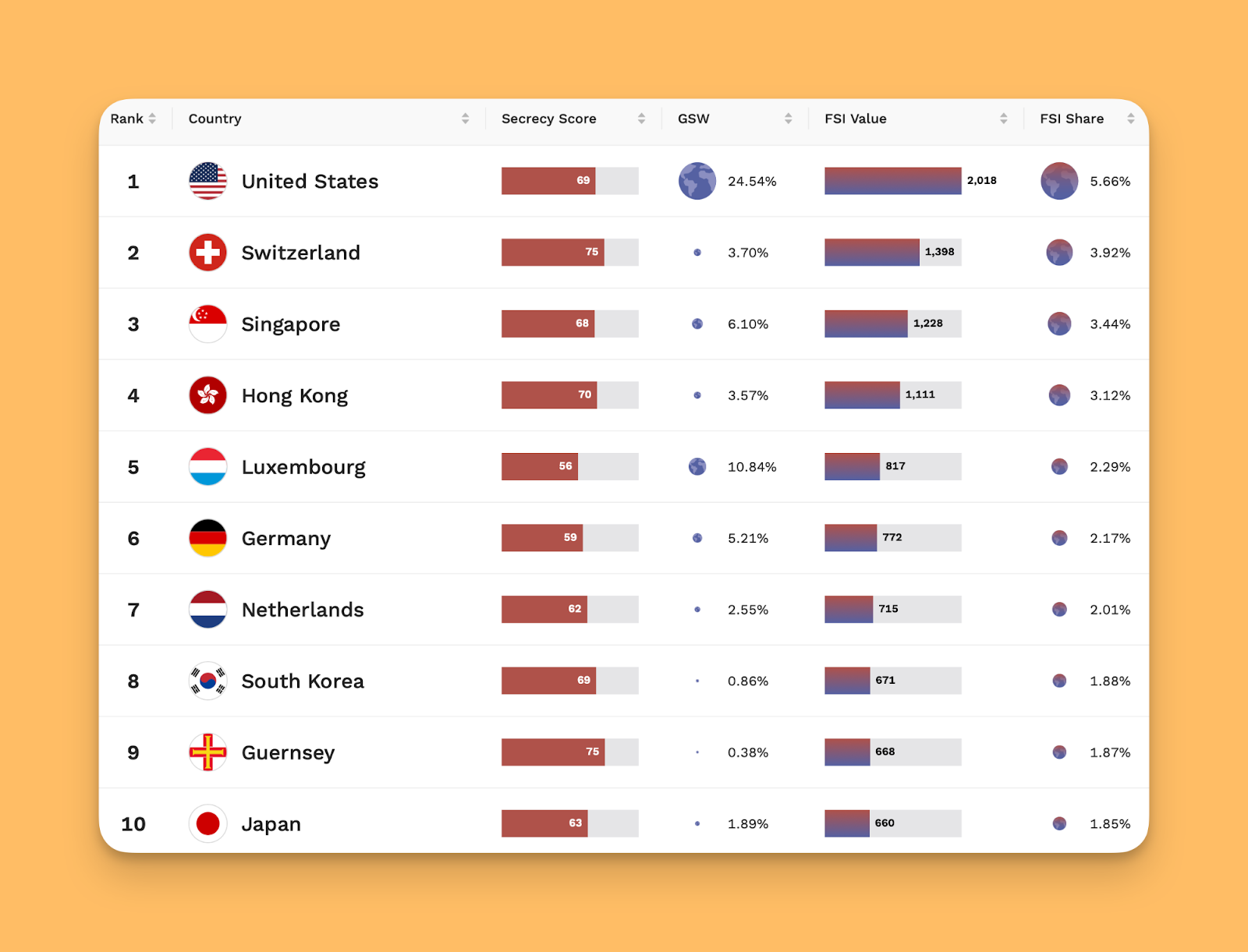
The United States is often ranked as the world's largest enabler of financial secrecy. America refuses to share financial information reciprocally under the CRS (Common Reporting Standard).
This asymmetry attracts international wealth management professionals globally. Foreign clients seek U.S. structures for asset protection offshore.
Delaware, Nevada, and Wyoming function as domestic tax haven countries. Approximately millions of anonymous LLCs are registered in Wyoming, Nevada, and New Mexico. These states allow offshore company formation with minimal disclosure. They compete globally for international wealth management business.
Four Reasons Why High Net Worth Individuals Use Tax Havens
1. Legal Tax Optimization
Wealthy individuals reduce tax burden through careful structuring. They utilize favorable treaties and territorial tax systems.
International wealth management requires sophisticated planning. Alternative investments often route through tax-efficient jurisdictions.
2. Asset Protection and Wealth Preservation
Offshore trusts shield assets from creditors and lawsuits. Cook Islands structures provide the strongest global protection because the plaintiff must litigate in the Cook Islands under a 1-to-2 year statute of limitations.
Geographic diversification reduces country-specific risks. Alternative assets complement traditional offshore holdings.
3. Estate Planning and Succession
Offshore trusts enable multi-generational wealth transfer. These structures minimize estate taxes across borders.
Foundations provide perpetual wealth management solutions. Cross border families avoid double taxation through proper planning.
4. Privacy and Confidentiality
Banking secrecy protects legitimate privacy interests. Public figures shield wealth from unwanted attention.
Business owners separate personal from corporate assets. Financial activities remain confidential in secrecy jurisdictions.
How Corporations Use Tax Havens
Base Erosion and Profit Shifting (BEPS)
35% of all profits booked by multinational companies outside their headquarter country are shifted to tax havens. This represents massive tax base erosion.
US$347.6 billion is lost annually to multinational corporations shifting profit offshore. Transfer pricing manipulation enables this avoidance.
Multinational corporations charge inflated royalties between subsidiaries. Profits accumulate in minimal tax jurisdictions systematically.
Companies historically used the "Double Irish Dutch Sandwich" structure for tax planning. While this specific loophole was closed in 2020, similar "Single Malt" structures have replaced it.
Tech giants book intellectual property in tax haven countries strategically. Operating subsidiaries pay licensing fees to reduce tax burden.
Offshore Subsidiary Structures
Fortune 500 companies held $2.6 trillion offshore in 2017 (prior to the US Tax Cuts and Jobs Act). Apple alone accumulated over $250 billion overseas.
52% of all U.S. firm subsidiaries are located in Delaware. This single state hosts more corporations than any other jurisdiction. Offshore company structures separate legal from economic substance. Profits flow to jurisdictions with minimal tax automatically.
The Scale and Impact of Tax Havens
Revenue Lost to Governments
Tax havens cost governments $492 billion annually in lost tax revenue. Corporate tax abuse accounts for two-thirds of losses. Lower income countries lose revenues equivalent to 36 per cent of public health budgets. This exceeds total development aid received.
Individual tax evasion costs $144.8 billion in lost annual global income tax revenue. Combined losses approach half a trillion dollars.
Wealth Held Offshore
Economists estimate individuals have stashed between $8.7 trillion and $36 trillion in tax shelters worldwide. This represents up to 10% of global wealth.
8% of the world's wealth (or US$7.6 trillion) was "missing" in offshore tax havens according to economist Gabriel Zucman. These assets escape taxation permanently.
The Tax Justice Network identifies $21 to $32 trillion as offshore funds. This minimum amount surpasses the combined GDP of China and America.
Ultra-high-net-worth individuals own $30 million or more in assets. These individuals utilize sophisticated offshore tax strategies extensively.
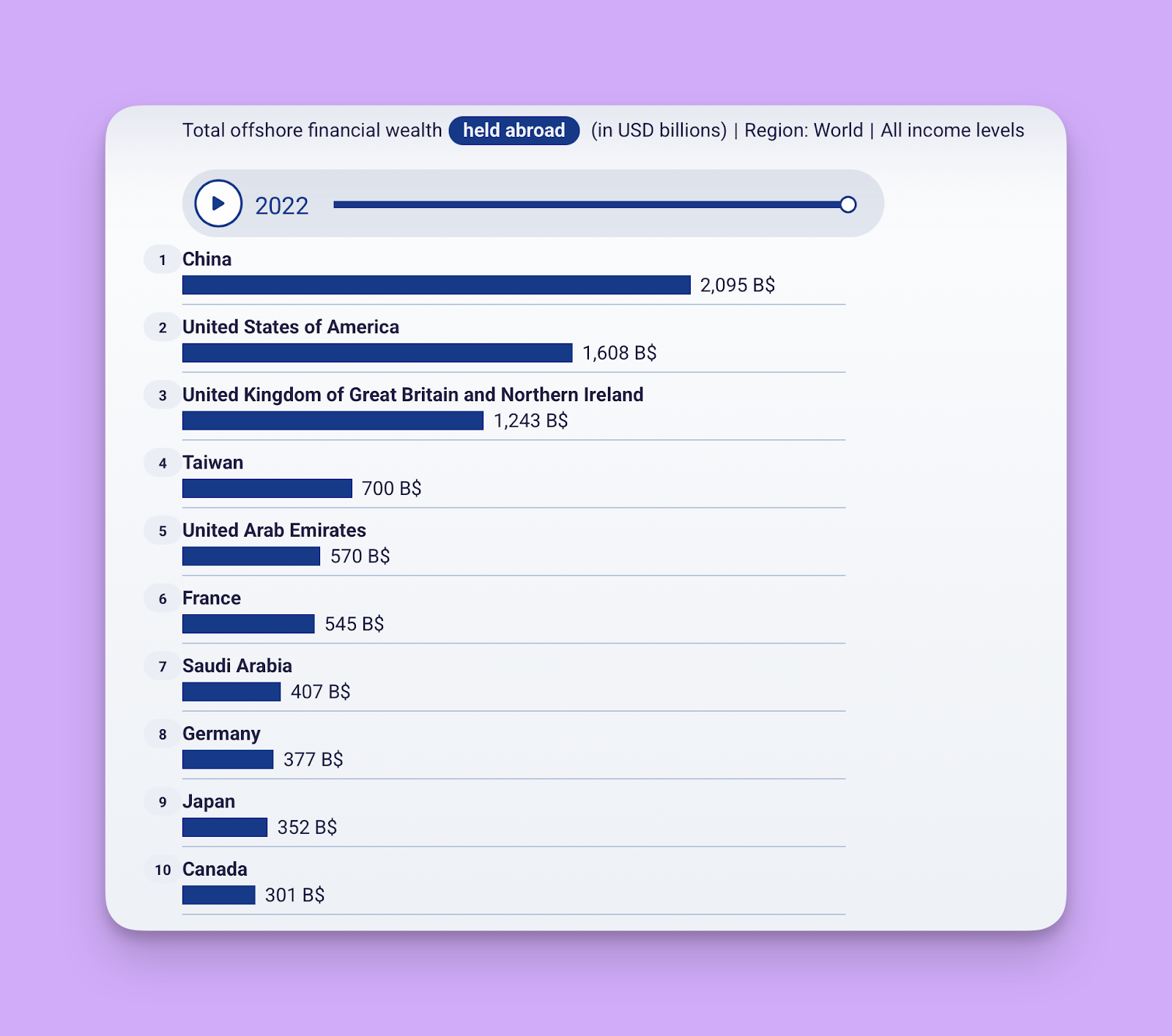
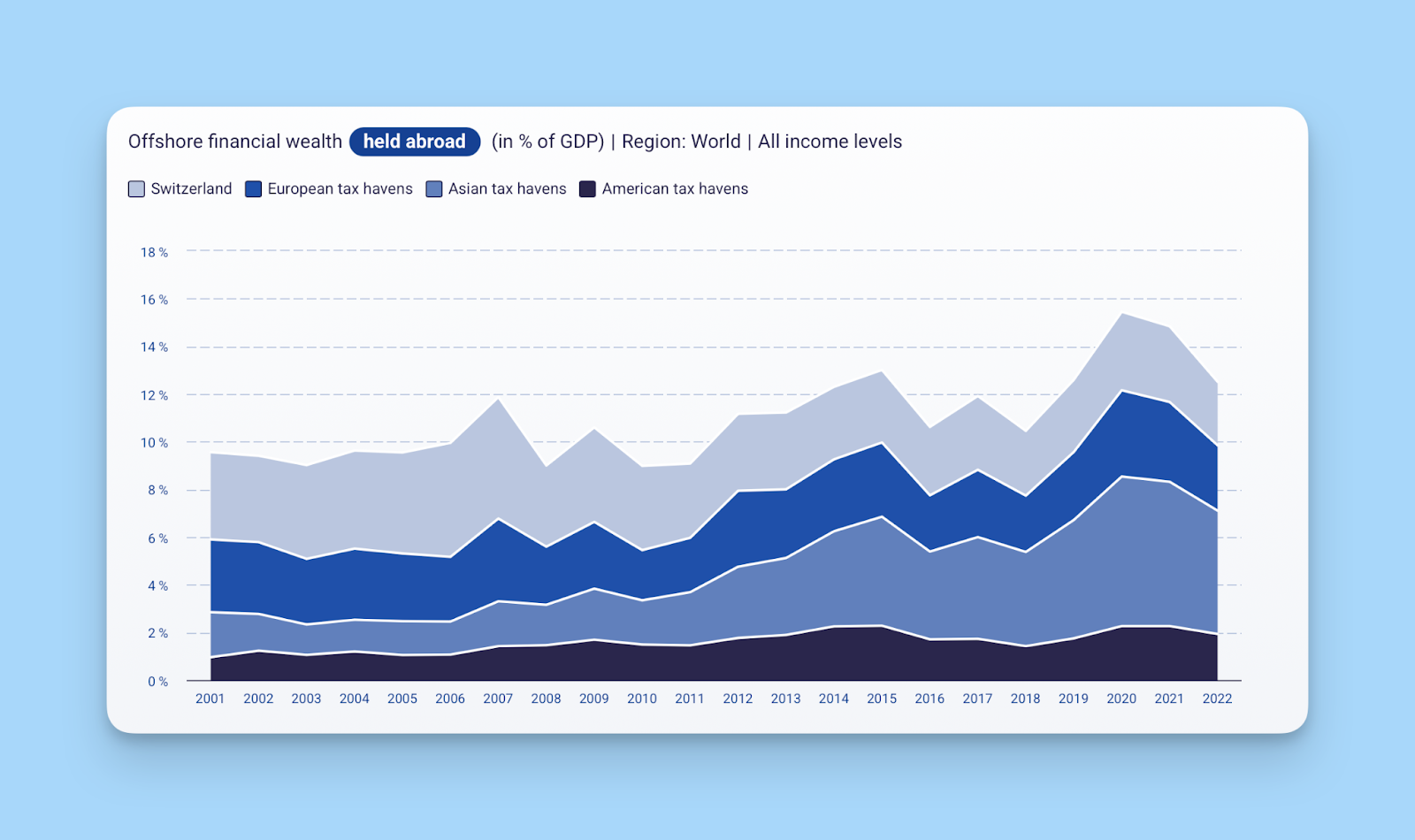
Foreign investors hold approximately 10% of world GDP in offshore financial centers. About half was historically kept in Switzerland. China leads with $2.1 trillion in offshore wealth holdings. The U.S. follows with $1.6 trillion held internationally.
Economic Distortions
Offshore financial centers facilitate instant capital movements globally. "Hot money" flows destabilize emerging market financial systems.
Sudden capital flight triggers currency crises in developing nations. Long term economic planning becomes impossible without stable capital.
The Complexity of Managing International Assets
Multi-Jurisdiction Portfolio Challenges
International portfolios span multiple legal systems. Each jurisdiction has unique reporting requirements and regulations.
Portfolio valuation becomes complex across borders. Real estate and financial activities require local expertise.
Currency and Valuation Issues
Exchange rates affect true net worth calculations. Long term currency trends impact wealth preservation strategies.
Multi-currency portfolios need constant revaluation. Returns differ substantially after currency conversions.
Time Zones and Access
Global portfolios require 24-hour monitoring. Banking hours rarely overlap between jurisdictions.
Emergency access becomes complicated internationally. Technology platforms enable necessary real-time visibility.
Pre-IPO and Alternative Investment Structures
Private equity funds domicile in tax havens frequently. Pre-IPO stock values depend on jurisdiction selection.
Alternative investments lack pricing transparency offshore. Valuation requires specialized knowledge and access.
Cryptocurrency in Offshore Jurisdictions
Digital assets enable instant borderless transfers. Bitcoin investing strategies incorporate offshore planning.
Crypto tracking alongside traditional accounts proves challenging. Multiple wallets complicate consolidated reporting.
Tax Haven Regulations and Compliance Requirements
FATCA (Foreign Account Tax Compliance Act)
FATCA required financial firms worldwide to report accounts held by US citizens to the IRS. Banks face 30% withholding for non-compliance.
This law transformed how offshore financial centers operate globally. Every foreign bank must identify American account holders.
Common Reporting Standard (CRS)
Over 100 countries exchange taxpayer information automatically. Panama adopted international information sharing standards in October 2016.
The US refused the Common Reporting Standard. America receives information without reciprocating.
Disclosure Obligations for U.S. Taxpayers
FBAR reporting applies to accounts exceeding $10,000. Form 8938 requires additional asset disclosure.
The IRS can assess penalties for six years retroactively. FBAR penalties reach $12,500 per account annually. Willful violations can cost 50% of account values or result in prison time.
Country-by-Country Reporting
Multinational corporations must disclose profits by jurisdiction. Tax revenues become visible through mandatory reporting. Transparency initiatives expose profit shifting patterns. Public pressure demands corporate tax accountability.
Risks and Drawbacks of Tax Havens
Increased Regulatory Scrutiny
Nine years after the Panama Papers, governments recovered nearly $2 billion in tax arrears. Authorities pursue offshore evasion aggressively.
Offshore tax evasion declined by a factor of three in less than 10 years due to automatic information exchange.
Reputational Concerns
Panama Papers were 11.5 million leaked documents exposing offshore accounts. Public backlash damages personal and corporate brands. Panama's tourism exports fell after the 2016 scandal. Entire countries suffer reputational harm.
Higher Costs and Complexity
Offshore banking often requires million-dollar minimums. Annual fees often exceed $50,000. Legal and accounting costs mount quickly. Multi-jurisdictional compliance becomes expensive.
Limited Investment Access
Many investment products exclude offshore entities. FATCA compliance deters financial institutions. Banking relationships require enhanced due diligence. Account opening takes months instead of days.
The Future of Tax Havens
Digital Transformation and Cryptocurrency
Tax havens adapt regulations for digital assets. Blockchain enables novel offshore structures. Decentralized finance reduces traditional intermediary needs. Smart contracts automate trust functions.
Continued Transparency Pressure
Global momentum favors financial transparency. Almost exactly nine years after the Panama Papers, two dozen countries recovered nearly $2 billion. Information leaks expose hidden wealth regularly. Whistleblowers receive financial rewards increasingly.
Alternative Wealth Management Strategies
Onshore incentives compete with offshore benefits. Opportunity zones defer capital gains domestically. Philanthropic vehicles provide tax advantages. Digital nomads optimize residence rather than asset location.
Managing Your Cross-Border Portfolio with Kubera
The Challenge: Fragmented Wealth
Complete wealth pictures require comprehensive tracking. Spreadsheets fail when managing international portfolios with complex structures and multiple currencies.
Manual entry creates errors and consumes time. Global markets operate across multiple time zones, and private assets lack regular pricing updates.
Kubera's Solution for International Wealth
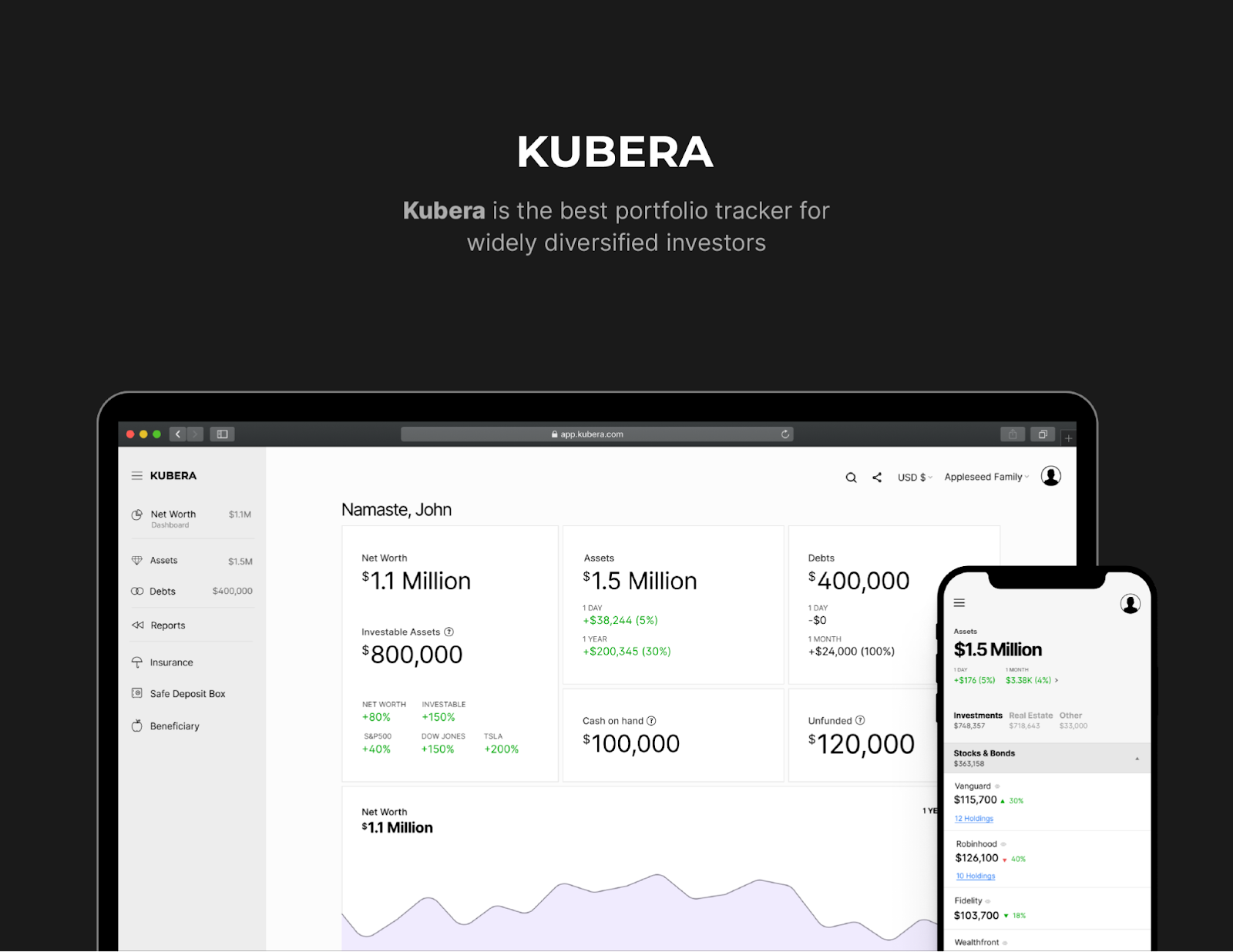
Kubera is the only portfolio tracker built specifically for the complexities of high-net-worth international investing. It aggregates accounts across countries automatically, providing a true Personal Balance Sheet.
1. Multi-Currency Consolidation
Kubera's architecture handles multi-currency portfolios natively. Connect a UK bank account in GBP, a US brokerage in USD, and a Canadian property in CAD.. Kubera automatically converts all values to your preferred base currency using real-time exchange rates, giving you a single, accurate net worth figure.
2. Tracking Private Equity and Capital Calls
For investors using offshore structures for private equity and alternative investments,, Kubera offers specialized tracking for committed capital, distributions and IRR. You can track exactly how much of your commitment is outstanding, ensuring liquidity for future capital calls without keeping excessive cash idle.
3. Trust and Entity Mapping
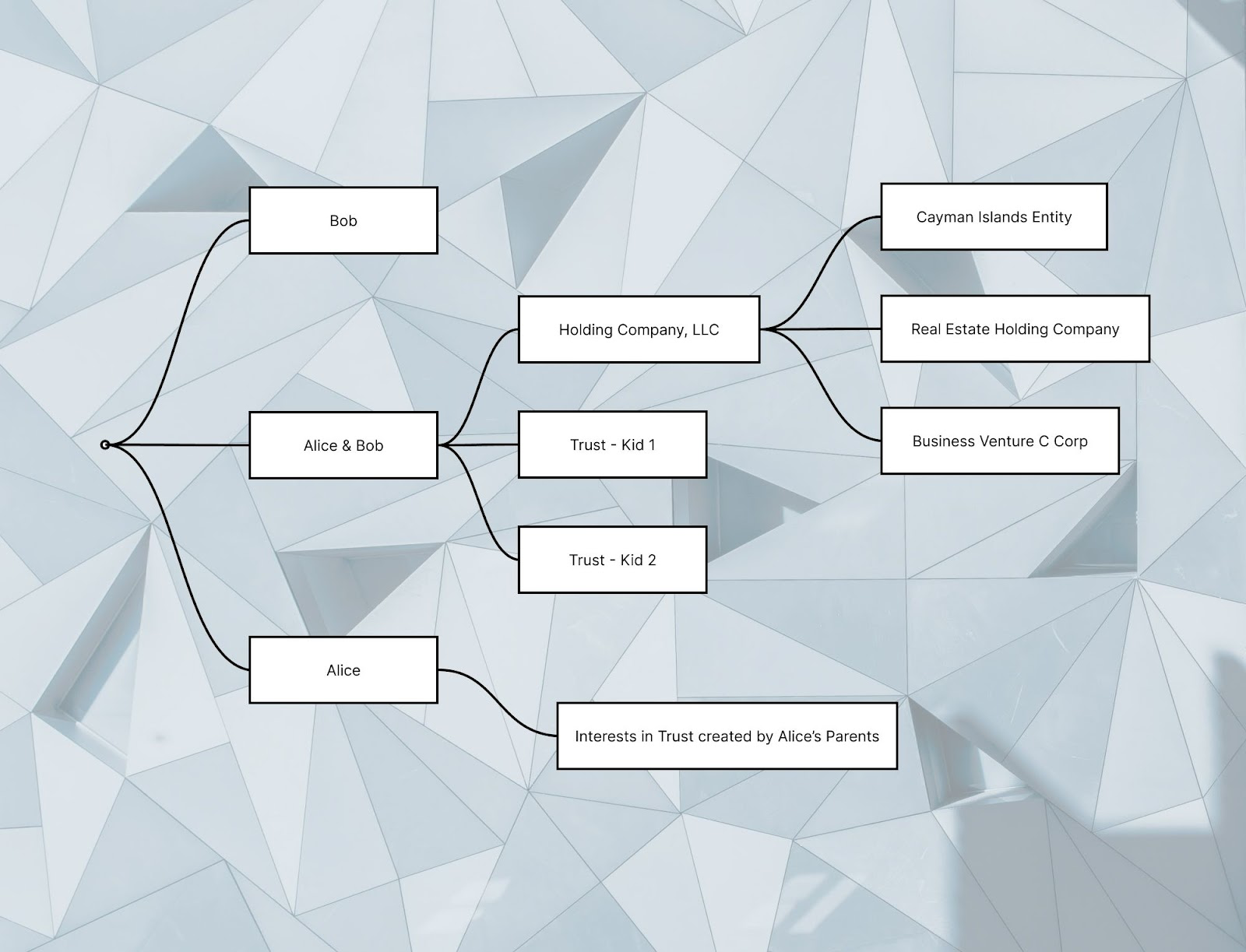
Whether you utilize a Charitable Remainder Trust, a Family Limited Partnership, or an offshore foundation, Kubera allows you to "nest" portfolios. You can track the underlying assets of each entity separately while rolling them up into your master view.
4. Safe Storage and Beneficiary Access
Offshore investing requires managing critical legal documents—trust deeds, tax filings, and entity registrations. Kubera’s document vault feature stores these documents securely alongside the assets they relate to.
Crucially for international families, Kubera’s "Life Beat" feature acts as a "dead man's switch." If you are inactive for a set period, it automatically grants access to your designated beneficiaries, ensuring your heirs can locate and access offshore assets that might otherwise be lost.
Sign up for Kubera to manage international wealth effectively. Take control of your global portfolio today.


