
The math behind private aviation has changed. Fractional jet ownership now delivers the benefits of flying private at a fraction of whole aircraft costs. In 2025, fractional flight activity surged 10.3% compared to the previous year, with the business jet market anticipated to reach $48.13 billion. This guide breaks down everything you need to know about fractional jet programs, from costs and tax benefits to choosing the right provider for your travel needs.
What is Fractional Jet Ownership?
Fractional jet ownership enables multiple high-net-worth individuals to share aircraft costs while maintaining exclusive access to private aviation. When purchasing a share of an aircraft, you join other fractional owners who divide the operational costs and usage rights proportionally.
Fractional shares typically range from 1/16th to 1/4th of an aircraft. A 1/16th share provides approximately 50 flight hours per year. A 1/4 share delivers around 200 hours annually. This creates a tangible asset with significant private jet depreciation tax benefits for business use.
Private jet ownership for business through fractional programs delivers privileges without massive capital outlay. A new light jet costs $5 to $12 million. Large-cabin business jets range from $25 to $75 million. In contrast, fractional jet programs typically start around $500,000 for entry-level ownership shares in light jets.
This ownership structure has existed for over three decades. NetJets pioneered the concept in 1986. Today, fractional ownership accounts for nearly 23% of the private jet market in the United States. Fractional flight departures surged 75.5% from 2019 to 2025, demonstrating strong demand for this travel experience.
How Fractional Jet Programs Work for Busy Executives

Share Structures and Number of Flight Hours
Standard fractional shares range from 1/16th (providing 50 hours) to 1/4th (providing 200 hours) annually. Premium fractional jet programs like NetJets offer shares up to 400 or more hours per year (equivalent to a 1/2 share). Most fractional ownership programs operate on five-year contracts with minimum 30 to 36-month long-term commitments.
Day-based models offer a different approach to flying private. Airshare pioneered this structure. A 1/16th share provides 20 days of travel per year with unlimited flight hours per day. This model maximizes time savings for multi-city business trips.
Guaranteed Aircraft Access for Fractional Owners
Fractional jet programs guarantee aircraft availability with advance notice typically ranging from 4 to 10 hours for non-peak travel. You receive your specific aircraft type or a comparable substitute. Peak day restrictions typically apply to 10 to 20 days annually during high-demand periods, often requiring 48-hour notice.
Unlike charter service options, fractional ownership provides contractual guarantees. Your aircraft or equivalent will be available when you need it. This reliability proves essential for critical business travel and enhances the overall travel experience.
Fleet Flexibility from Light Jets to Large-Cabin
Major fractional providers allow upgrades and downgrades within their fleet. You can fly light jets for short regional trips and upgrade to large-cabin aircraft for transcontinental flights. Interchange rates facilitate transitions between aircraft categories based on your travel needs.
Multiple aircraft can be accessed simultaneously by fractional owners. Executive teams or family members traveling separately can each have dedicated aircraft. This scalability distinguishes fractional ownership from single-aircraft charter service.
Aircraft Management Services Included
Professional aircraft management companies handle all operational complexities for fractional owners. They recruit and train pilots, schedule maintenance, manage insurance, and ensure regulatory compliance. Owners enjoy the benefits of flying private without operational burdens or the headaches of whole aircraft ownership.
Complete Cost Analysis: Private Jet Fractional Ownership Cost
Initial Capital Investment for Purchasing a Share
Share acquisition costs vary significantly by aircraft type and share size. Entry-level 1/16th fractional shares in light jets start around $500,000 to $600,000. Midsize business jet shares range from $800,000 to $1.5 million. Large-cabin shares can exceed $6 million.
Immediate tax benefits apply through accelerated depreciation schedules. The One Big Beautiful Bill Act of 2025 permanently restored 100% bonus depreciation for qualified business aircraft. Section 179 expensing now allows deductions up to $2.5 million, maximizing private jet depreciation tax benefits.
Monthly Management Fee Structure
Fixed monthly management fees range from $7,000 to $45,000 or more depending on aircraft category. These fees cover pilot salaries, insurance premiums, hangar costs, and administrative overhead. Light jet programs typically run $7,000 to $13,000 monthly. Large-cabin programs exceed $30,000 in monthly management fee expenses.
Occupied Hourly Rates and Operational Costs
Variable operational costs range from $3,500 to $9,000 or more per flight hour. These rates cover fuel, maintenance reserves, and crew expenses. Light jets average $3,500 to $4,500 per hour. Super-midsize jets run $5,000 to $7,000 hourly. Large-cabin aircraft exceed $7,500 per hour.
Private Jet Fractional Ownership Cost Comparison
Fuel Surcharges and Additional Expenses
Unlike charter flights, fractional ownership flights (operating under Part 91K) are exempt from the 7.5% Federal Excise Tax (FET). Instead, owners pay a fuel surtax of 14.1 cents per gallon. Fuel surcharges fluctuate with market volatility, ranging from $200 to $600 per hour depending on current fuel prices. State sales and use tax implications vary for high-value transactions across the United States.
Premier Fractional Jet Programs and Providers
NetJets Fractional Ownership
NetJets stands as the industry leader in fractional jet programs. Owned by Berkshire Hathaway since 1998, NetJets operates a global fleet exceeding 800 aircraft. The fleet spans light jets through ultra-long-range business jets including the Bombardier Global 7500.
NetJets fractional ownership provides global reach with international capabilities and the highest safety ratings. Their NetJets Card Program (formerly Marquis jet card program) offers a lower-commitment entry point starting at 25 hours. In September 2023, NetJets signed a record-breaking agreement for up to 1,500 Cessna Citation jets (valued at roughly $32 billion) to secure inventory for future owners..
Flexjet vs NetJets Comparison
Flexjet operates as the second-largest fractional ownership program with over 300 aircraft. Their Red Label program features dedicated flight crews assigned to a single aircraft - a distinct competitive advantage. Customized cabin configurations through the LXi Cabin Collection enhance the travel experience for fractional owners.
Flexjet offers exclusive fractional access to Gulfstream G650 and the new G700 aircraft. In July 2025, LVMH-backed L Catterton invested $800 million in Flexjet. The company reported revenues of $3.8 billion in 2024, demonstrating strong demand for private jet ownership for business.
Airshare Day-Based Fractional Ownership Program
Airshare pioneered the unique day-based fractional ownership program model. A 1/16th share provides 20 days of travel with unlimited number of flight hours per day. Fractional owners average 100 hours annually, double what competitors offer on the same share of an aircraft.
The company operates Challenger 3500 and Phenom 300 aircraft. Airshare holds an ARGUS Platinum safety rating and IS-BAO Stage 3 certification. Their regional focus delivers exceptional service standards and personalized attention for those flying private.
Nicholas Air
Nicholas Air maintains a privately-owned fleet ideal for travelers flying 100 or more hours annually. The fleet includes light jets through the Gulfstream G600 ultra-long-range aircraft. Their fractional jet programs feature no blackout dates on most options, offering superior flexibility.
The company operates one of the youngest fleets in the industry with an average aircraft age under five years. Nicholas Air provides guaranteed availability 355 days per year and 24/7 aircraft management services for fractional owners.
Aircraft Categories: From Light Jets to Ultra-Long-Range
Light Jets for Short-Range Business Travel

Light jets like the Embraer Phenom 300E and Cessna Citation CJ4 seat 4 to 8 passengers. The range extends 1,900 to 2,165 nautical miles. These aircraft excel at regional business travel, weekend getaways, and time-sensitive meetings across the United States.
The Phenom 300E delivers fuel efficiency and speeds exceeding 460 knots (Mach 0.80). Access runways as short as 3,138 feet. Light jets represent the most cost-effective entry into fractional jet programs with lower operational costs.
Super-Midsize Business Jets for Transcontinental Capability
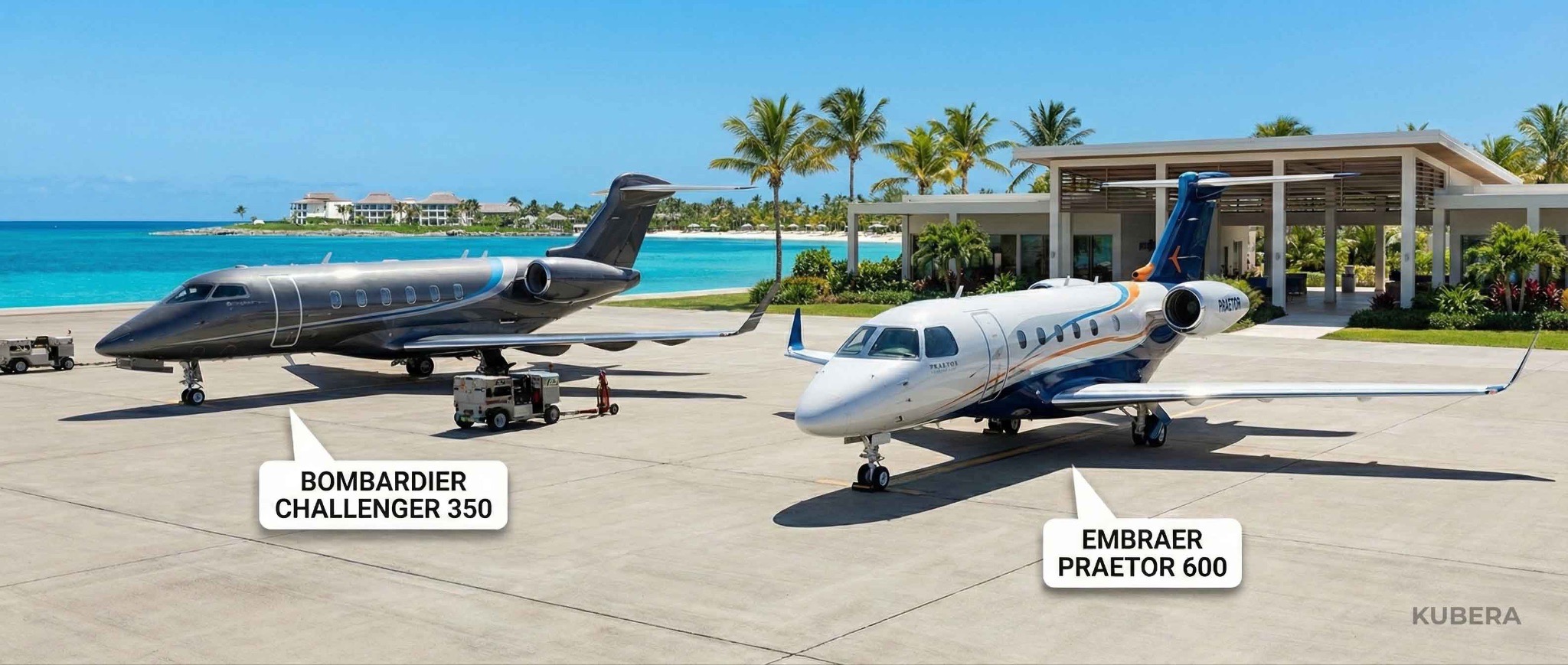
Super-midsize business jets like the Bombardier Challenger 350/3500 and Embraer Praetor 600 accommodate 8 to 10 passengers. Range exceeds 3,200 to 4,000 nautical miles, enabling coast-to-coast nonstop flights for private jet ownership for business needs.
These jets feature stand-up cabins and full refreshment centers. The Praetor 600 offers full fly-by-wire technology and Active Turbulence Reduction. Super-midsize represents the fastest-growing segment, with sales remaining 9.6% ahead year-to-date in late 2025, offering significant time savings.
Large-Cabin and Ultra-Long-Range Aircraft
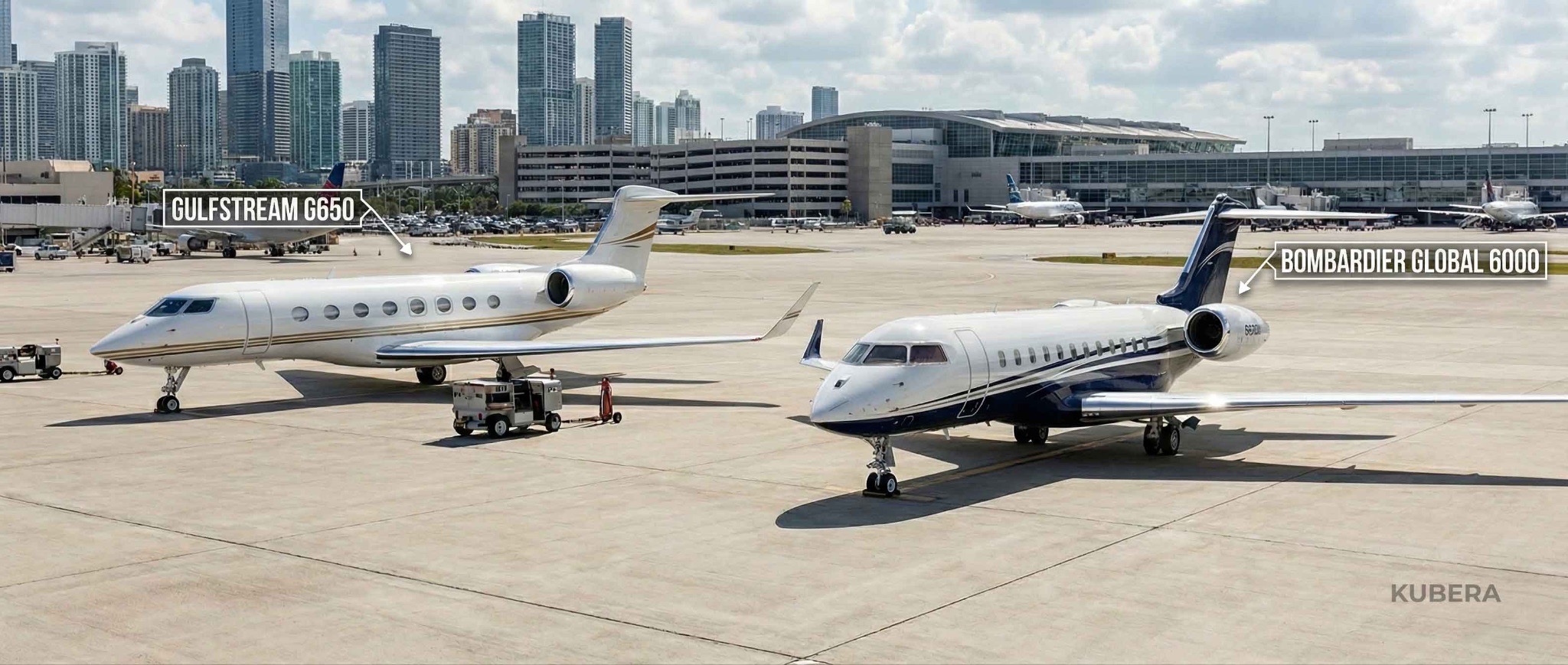
Large-cabin business jets like the Gulfstream G650 and Bombardier Global 6000 carry 12 to 16 passengers. Range exceeds 6,000 nautical miles. The new Gulfstream G700 delivers 7,750 nautical miles of range at Mach 0.85.
These aircraft feature bedroom suites, conference areas, and transcontinental range. The G700 cabin altitude of 2,840 feet(at 41,000 ft) exceeds competitors by 20%, providing the industry's lowest cabin altitude. International business travel demands these capabilities for the optimal travel experience.
Strategic Tax Benefits and Financial Advantages
Private Jet Depreciation Tax Benefits
Fractional ownership delivers significant private jet depreciation tax benefits for business use. The One Big Beautiful Bill Act of 2025 (signed July 4, 2025) permanently restored 100% bonus depreciation for qualified business aircraft. Fractional owners can deduct the entire share cost in the year of purchase.
Section 179 expensing provides additional tax benefits for smaller fractional shares. The deduction cap increased to $2.5 million in 2025, with a phase-out threshold beginning at $4 million. Aircraft must meet business use requirements exceeding 50% to qualify for these private jet depreciation tax benefits.
Time Savings and Productivity Gains
Private jets access over 5,000 public-use airports in the United States. Commercial airlines serve fewer than 500 primary airports. This access eliminates lengthy drives to major hub airports and delivers substantial time savings for busy executives.
Travelers save an average of 2 to 4 hours per trip compared to commercial aviation. You can eliminate 2 to 3 hours of airport time through private terminals (FBOs), often boarding within 15 minutes of arrival. Mobile office capability with high-speed internet enables productive travel and enhances the overall travel experience.
Investment Portfolio Diversification
Fractional shares represent tangible asset ownership in a stable aviation market, offering a unique avenue for portfolio diversification beyond traditional equities. Potential tax benefits flow through business use deductions, while the global business jet market is projected to reach $48.13 billion in 2025, driven by sustained demand.
Fractional Jet vs Charter: Choosing Your Strategy
Fractional vs Whole Aircraft Ownership
Fractional ownership eliminates the aircraft management burden while preserving ownership benefits. Whole aircraft ownership provides complete control but requires significant annual operational costs. A new Embraer Phenom 300E costs approximately $11.5 million plus $800,000 to $1.2 million annually to operate, depending on usage.
Whole ownership typically suits travelers flying 200 to 400 hours or more annually. Fractional jet programs optimize costs for the 50 to 200 hour range. The breakeven point depends on aircraft type, usage patterns, and your long-term commitment.
Fractional Jet vs Charter Service
Fractional ownership guarantees aircraft availability versus market-dependent charter service pricing. Charter costs fluctuate with demand, especially during peak periods. Fractional provides consistent service standards, guaranteed recovery aircraft, and familiar crews.
Charter service works best for travelers flying fewer than 25 to 50 hours annually. Fractional delivers cost advantages beyond that threshold. If you fly 50 or more hours per year, fractional ownership offers better per-hour value and superior time savings.
Fractional vs Jet Card Programs
Jet card programs provide prepaid flight hours without ownership stakes. Asset ownership and private jet depreciation tax benefits distinguish fractional ownership programs. Long-term cost predictability favors fractional for frequent flyers making a long-term commitment.
Jet card programs suit travelers seeking flexibility without capital outlay or those flying 25 to 50 hours annually. Fractional ownership delivers superior value for consistent, high-volume travel patterns (50+ hours) and those seeking to leverage 100% bonus depreciation.
Integrating Fractional Jet Ownership into Wealth Management
Fractional jet ownership serves executives flying 50 or more hours annually who value time savings. Private jet ownership for business aligns with demanding schedules and productivity requirements.
Flying private complements diversified investment portfolios as a tangible lifestyle asset. While aircraft are generally depreciating assets, they offer residual value retention and significant tax efficiency through 100% bonus depreciation. Sophisticated investors should evaluate fractional ownership as part of a comprehensive wealth management process, positioning the asset alongside other complex holdings often detailed in an alternative investment guide.
Global business leaders require reliable, secure, and discrete transportation solutions. Fractional jet programs deliver these capabilities with financial efficiency and significant tax benefits under the 2025 One Big Beautiful Bill Act.
Tracking Your Aviation Investment with Wealth Management Tools
Monitor your fractional share not just as a travel solution, but as a valuable line item within your complete Personal Balance Sheet. Integrating aviation expenses, asset values, and financing liabilities into a comprehensive net worth calculation provides the visibility needed for sophisticated financial planning.
Using Kubera to Manage Your Fractional Jet Investment
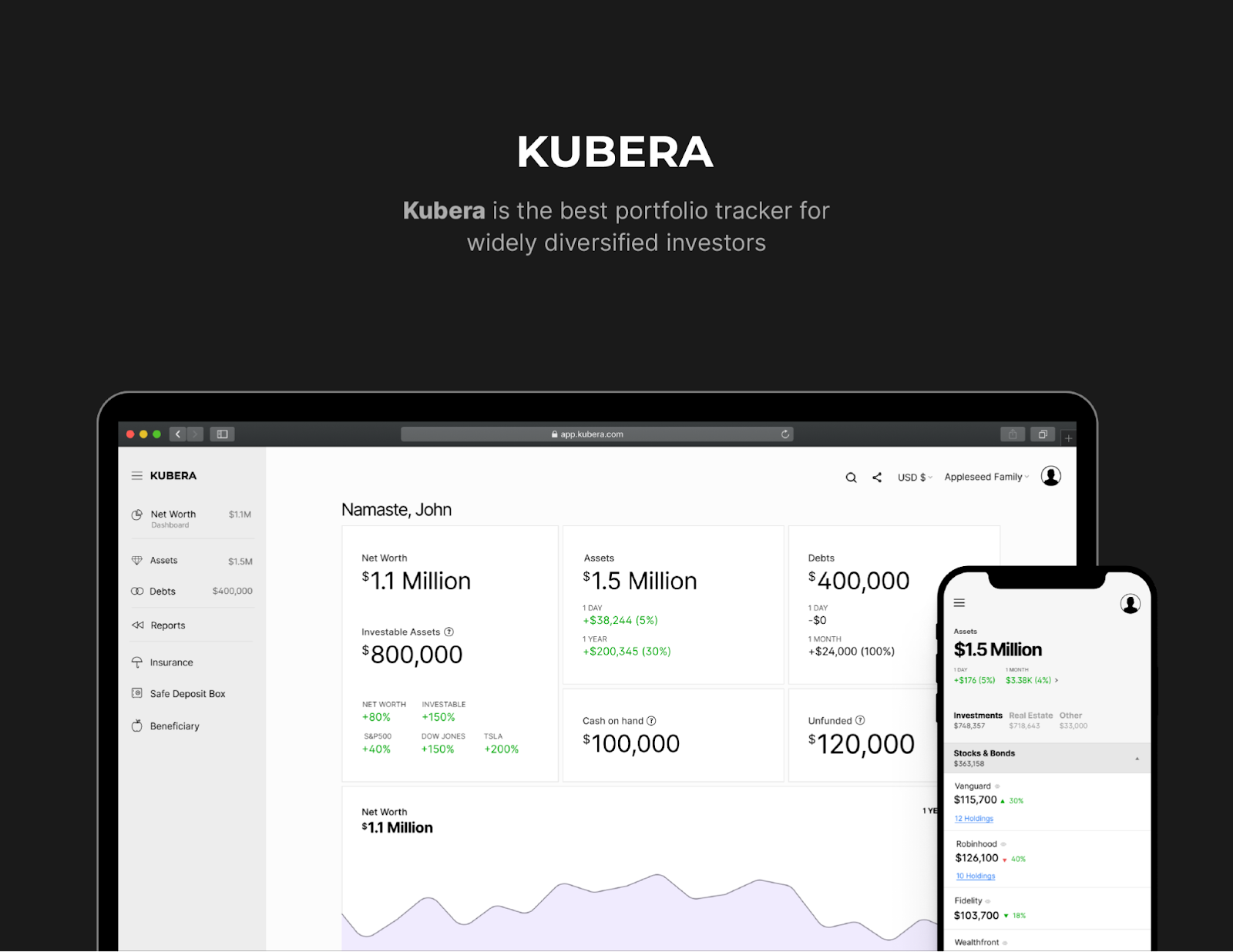
Kubera is the only portfolio tracker built specifically for the complexities of high-net-worth ownership. Unlike standard finance apps, it aggregates complex alternative assets—including fractional aviation shares—alongside traditional portfolios, real estate, and private equity.
- Entity and Trust Mapping: Sophisticated owners often hold aircraft shares through LLCs, Trusts, or Family Limited Partnerships. Kubera allows you to "nest" these portfolios, tracking the underlying aviation asset separately while rolling it up into your master net worth view.
- Centralized Document Vault: Offshore investing and aviation ownership require managing critical legal documents. Store your ownership agreements, monthly management invoices, and tax depreciation records securely alongside the asset entry.
- Legacy Planning with "Life Beat": Ensure your heirs can locate and access complex assets like private jet shares that might otherwise be lost. Kubera’s "Life Beat" feature acts as a "dead man's switch," automatically granting access to your designated beneficiaries after a set period of inactivity.
- Multi-Currency Consolidation: For international travelers paying management fees in different currencies or holding assets globally, Kubera natively handles multi-currency portfolios. It automatically converts all values to your preferred base currency using real-time exchange rates.
Start tracking your aviation investment alongside your complete financial portfolio. Kubera provides the modern wealth management infrastructure designed for investors who require clarity, security, and strategic oversight.
Sign up for a trial to begin monitoring all your assets in one secure dashboard.
Frequently Asked Questions About Fractional Jet Programs
How much does fractional ownership cost?
Entry-level 1/16th shares (50 hours) in light jets typically start between $500,000 and $650,000. Monthly management fees range from $7,000 to $13,000, with hourly operational rates of $3,500 to $4,500. Total annual operational costs for a light jet share generally run $250,000 to $350,000, excluding capital acquisition.
How many flight hours justify fractional ownership?
The "sweet spot" is 50 to 400 hours annually. Below 50 hours, jet cards or charter often offer better value. Above 400 hours, whole aircraft ownership may become more economical.
Is fractional ownership the same as charter?
No. Fractional is an asset purchase (equity) guaranteeing you a specific aircraft type with as little as 4–10 hours' notice. Charter is a service with fluctuating market rates and no asset ownership or depreciation benefits.
What tax benefits apply in 2025?
The One Big Beautiful Bill Act permanently restored 100% bonus depreciation for qualified business aircraft placed in service after Jan 20, 2025. Additionally, Section 179 expensing limits increased to $2.5 million, ideal for writing off smaller share purchases.
What happens when my contract ends?
Most providers offer a guaranteed buyback option at Fair Market Value (FMV). Proceeds are typically calculated as FMV minus a remarketing fee (commonly 7%). Depreciation will likely lower the asset's value over the 5-year term.
Can I fly internationally?
Yes. Major providers like NetJets and Flexjet offer reciprocal global fleets, allowing you to fly seamlessly in Europe or Asia. Smaller regional programs (like Airshare or Nicholas Air) primarily serve North America, though some offer international charter support.
How is the aircraft managed?
Your monthly fee covers a turnkey management solution: pilot hiring and training, hangarage, insurance, maintenance, and FAA regulatory compliance. You simply schedule the flight; the provider handles all logistics.
Take the Next Step
Fractional jet ownership transforms how sophisticated investors approach flying private. The model delivers the equity benefits of ownership and the financial efficiency of shared costs, all without the operational complexities of a whole aircraft.
To capitalize on this strategic asset, evaluate your specific travel patterns against the 50-hour threshold. Compare fractional jet programs to find the fleet and contract terms that align with your mission. Finally, consult qualified aviation tax professionals to ensure you maximize the 100% bonus depreciation opportunities available in 2025. The right program optimizes not just your travel time, but your entire investment portfolio for the long term.


